
$99.99
Add to Cart
Black Sapote Tree - 'Chocolate Pudding Fruit' Home Rare Live Plant - Plant for Your Home Garden
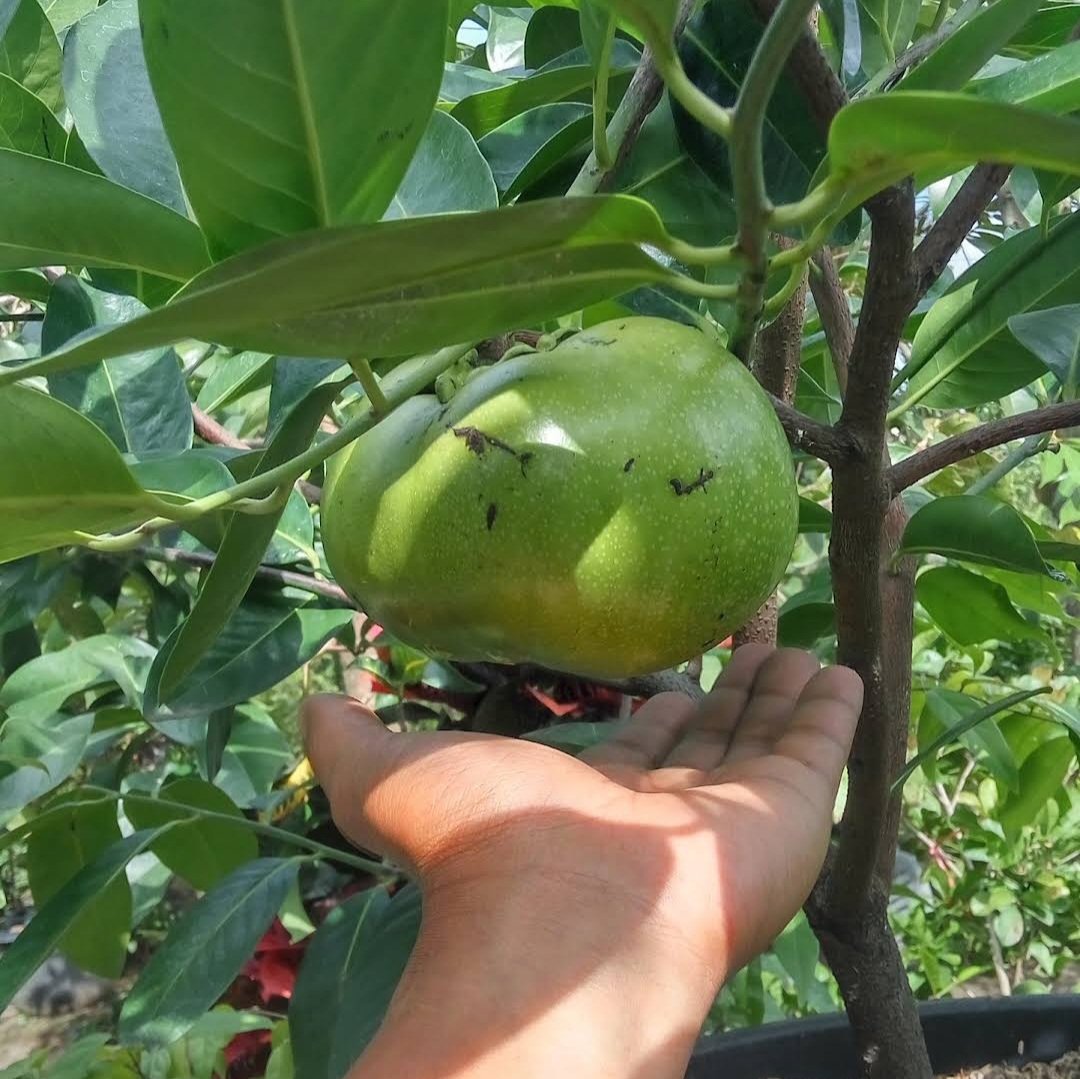


Black Sapote Tree - 'Chocolate Pudding Fruit' Home Rare Live Plant - Plant for Your Home Garden
Black sapote, also known as chocolate pudding fruit, is a tropical fruit tree native to Mexico and Central America. Here's how to care for a black sapote tree:
Climate: Black sapote trees thrive in tropical or subtropical climates with temperatures above freezing. They prefer temperatures between 60°F and 90°F (15°C to 32°C). If you're growing them in a colder climate, consider planting them in containers so you can move them indoors during the colder months.
Sunlight: Black sapote trees require full sun to produce fruit. Plant them in a location where they will receive at least 6-8 hours of direct sunlight per day.
Soil: Plant black sapote trees in well-draining soil with a pH between 6.0 and 7.5. They prefer slightly acidic to neutral soil. Sandy loam or loamy soil types are ideal. Amending the soil with organic matter like compost can improve drainage and fertility.
Watering: Black sapote trees have moderate water needs. Water them regularly, especially during dry periods, to keep the soil consistently moist but not waterlogged. Avoid overwatering, as it can lead to root rot. Mulching around the base of the tree can help retain soil moisture.
Fertilizing: Fertilize black sapote trees regularly during the growing season (spring and summer) with a balanced fertilizer. Apply fertilizer according to the manufacturer's instructions, and avoid fertilizing during the fall and winter when the tree is dormant.
Pruning: Prune black sapote trees to remove dead or diseased branches, improve air circulation, and shape the tree. Pruning is best done during the dormant season in late winter or early spring.
Pollination: Black sapote trees are usually self-pollinating, but you can improve fruit production by planting more than one tree or by hand-pollinating the flowers using a small brush.
Protection from Frost: If you're growing black sapote trees in a marginal climate where frost is a concern, provide protection during cold spells. Cover the tree with frost cloth or bring it indoors if possible.
Pest and Disease Control: Monitor your black sapote tree for pests such as aphids, scale insects, and fruit flies. Treat infestations promptly with insecticidal soap or neem oil. Additionally, watch for signs of fungal diseases like anthracnose or root rot, and take appropriate measures to control them.
Harvesting: Black sapote fruit typically ripens in late fall or winter. Harvest the fruit when it turns dark green or black and yields slightly to gentle pressure. Allow harvested fruit to ripen at room temperature for a few days before consuming.
With proper care, your black sapote tree can thrive and produce delicious fruit for many years to come.
In the photo is not factual item...
The size live plant item depends on stock...
Thank you
Black sapote, also known as chocolate pudding fruit, is a tropical fruit tree native to Mexico and Central America. Here's how to care for a black sapote tree:
Climate: Black sapote trees thrive in tropical or subtropical climates with temperatures above freezing. They prefer temperatures between 60°F and 90°F (15°C to 32°C). If you're growing them in a colder climate, consider planting them in containers so you can move them indoors during the colder months.
Sunlight: Black sapote trees require full sun to produce fruit. Plant them in a location where they will receive at least 6-8 hours of direct sunlight per day.
Soil: Plant black sapote trees in well-draining soil with a pH between 6.0 and 7.5. They prefer slightly acidic to neutral soil. Sandy loam or loamy soil types are ideal. Amending the soil with organic matter like compost can improve drainage and fertility.
Watering: Black sapote trees have moderate water needs. Water them regularly, especially during dry periods, to keep the soil consistently moist but not waterlogged. Avoid overwatering, as it can lead to root rot. Mulching around the base of the tree can help retain soil moisture.
Fertilizing: Fertilize black sapote trees regularly during the growing season (spring and summer) with a balanced fertilizer. Apply fertilizer according to the manufacturer's instructions, and avoid fertilizing during the fall and winter when the tree is dormant.
Pruning: Prune black sapote trees to remove dead or diseased branches, improve air circulation, and shape the tree. Pruning is best done during the dormant season in late winter or early spring.
Pollination: Black sapote trees are usually self-pollinating, but you can improve fruit production by planting more than one tree or by hand-pollinating the flowers using a small brush.
Protection from Frost: If you're growing black sapote trees in a marginal climate where frost is a concern, provide protection during cold spells. Cover the tree with frost cloth or bring it indoors if possible.
Pest and Disease Control: Monitor your black sapote tree for pests such as aphids, scale insects, and fruit flies. Treat infestations promptly with insecticidal soap or neem oil. Additionally, watch for signs of fungal diseases like anthracnose or root rot, and take appropriate measures to control them.
Harvesting: Black sapote fruit typically ripens in late fall or winter. Harvest the fruit when it turns dark green or black and yields slightly to gentle pressure. Allow harvested fruit to ripen at room temperature for a few days before consuming.
With proper care, your black sapote tree can thrive and produce delicious fruit for many years to come.
In the photo is not factual item...
The size live plant item depends on stock...
Thank you


 ID, yogyakarta